Right the first time

I once worked with a partner to build a small structure which needed to be covered with drywall. My partner had never done any drywall work, so I explained the steps in general terms.

We got to the part about applying joint compound – drywall mud. Three applications, smoother and wider with each coat. Some light sanding afterwards.

My partner asked about the multiple coats, "Why don't we just do it right... the first time?"

Sometimes doing something correctly means not doing it all at once.

Don't rush. Take each stage, do each one properly, and the whole project will be done "right the first time."

stephen
Cheer

You cheer for your favorite athletes... your favorite teams. You go nuts for them.

Do you also cheer for your local high school teams? How about your neighbor in the middle school musical? The kid who is performing for the first time at a dance recital?

Cheer for the big dogs – the professionals. I'm with you. But don't forget to give your support where it really counts. Root for your hometown heroes. Cheer where it has some real impact. The kid who puts her heart into practice and rehearsals – she'd love to have you there at showtime.

stephen
Lean into it

Years ago, in a canoe on a river, my friend and I found ourselves sideways, headed toward the horizontal trunk of a large, downed tree. As we were swiftly carried toward the tree, we instinctively leaned away from the danger.

The lower-right side of our canoe hit the log, the river swept underneath us from the left, and we dumped into the cold, rushing water.

We lost a fishing rod and some pride, but it could have been much worse.

What we learned later, was that we'd have been safer to lean into the log instead of away from it. This way, the moving water would have less ability to capsize us.

We often turn from danger, but sometimes, leaning into the obstacle is the better choice.

stephen
Extra bag?

Think of a businessperson carrying bags through an airport terminal. She can carry a laptop bag with ease. Roller case too. Maybe a carry-on bag atop the case. All this can be done with dexterity. Effortless.

But one more bag? Two more? Four more bags and two more rolling cases?

Maybe.

But at some point, there will be undue strain. At some point, something will drop.

We can all carry heavy loads. We can take on more roles and responsibility. However, it's possible to reach a point where we don't carry those responsibilities well. It's possible to reach a point where we start dropping things. Worse: we might be carrying so many things that we don't even know when one falls.

stephen
Show that you're listening

Show that you're listening. Show that you care. Actually listening – hearing – that's important. But showing that you are doing so is important too.

  • Put your devices away.
  • Take off your watch if you're going to keep glancing at it.
  • Make eye contact.
  • Lean in.
  • Nod your head when you understand or agree.
  • Stop thinking about what you want to say.
  • Take notes on paper, if it's appropriate.
  • Ask questions when you don't understand.

This isn't meant to be a formula or a complete list. It's just a flavor. If your methods taste similar, you're on the right path.

stephen
Careful with your face

As much as this culture is obsessed with selfies, one's own expressions and gestures in the context of meetings and conversations can be easily overlooked.

  • your frowning mouth
  • your crossed arms
  • your raised eyebrows
  • your look of boredom
  • your look of judgement
  • your subtle eye roll

You might not be paying attention to it, but we are. And it's saying a lot.

stephen
Start

It's great that you've told your friend (or maybe many friends and strangers) about what you intend to do one day. Voicing your intentions can be a powerful first step.

But now that you've said it, you need to do something.

Take the next step. Make the phone call. Send the email. Sign-up. Show up.

Whatever it is that's going to move the needle on this goal you've spoken into existence, start doing it.

stephen
A non-choice

Server: "How would you like that cooked?"

Me: "Medium-rare, please."

Server: "We only do medium-well."

* * *

I beg of you: if I don't really have a choice, please don't present me with one.

stephen
Proofing after sending

On two occasions today, I've noticed a typo in a text -- after I've sent it. It's internally annoying. If I choose to read a text after I send it, I should read it before I send it, when I can still make a correction.

It's a good lesson: if you're going to proofread, do it when it counts.

Or for me: if you're texting friends, just relax on the proofreading. They know what you meant.

stephen
Being pushed

When someone is tailgating your automobile, it's tempting to think that you're being pushed. It's tempting to press the accelerator a little harder just to create some space in your rear-view mirror.

But before you increase your speed, check the speedometer, and check the posted speed limit.

Remember that you are responsible for your own actions. Driving faster could introduce safety risks. Driving faster could introduce legal risks.

A better way to say it: the person behind you is not going to pay your speeding ticket.

You are the driver, and the control is yours.

stephen
Making a mess
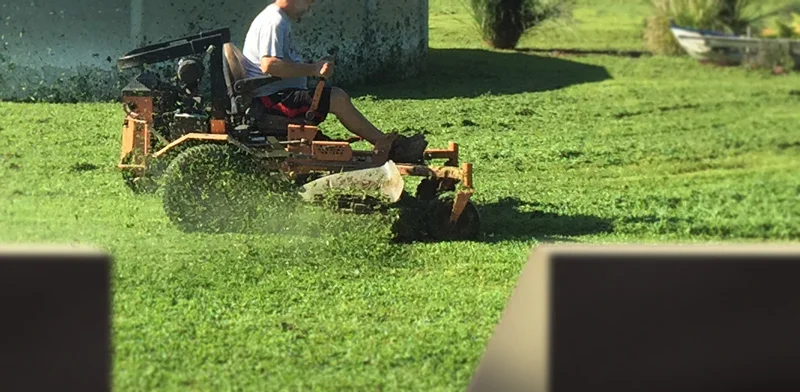
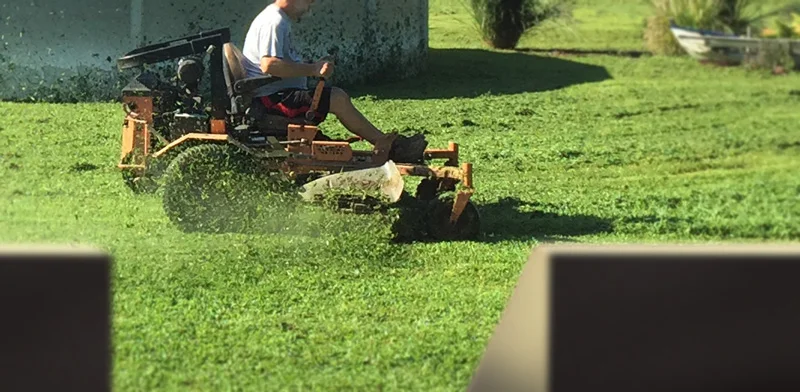
lawn_mowing.jpg

I recently saw a landscaper flying through a lawn on a mower going at full tilt. Grass was flying everywhere. The white siding on an outbuilding was blasted with clippings. A swimming pool was defiled.

So after an hour, the lawn was mowed. The landscaper had done his job.

However, the real goal – the property owner's goal – was to have a well-tended property. That goal wasn't achieved.

* * *

Do your job. Do it well. But remember that your job is often part of a larger story. If you've made a mess of other areas while doing your job, you haven't really done your job at all.


Missed a blog post? Visit this blog’s landing page, or check out a chronological index. If you like what you’re reading, you can subscribe below.

stephen
The purple kind

Grilled chicken, roasted red peppers, red onions. To me, it's a delicious combination of toppings on a pizza. I've ordered this pizza a handful of times from a few different places.

Once, the person taking my order apologized, "Red onions? Sorry. We don't have those; we only have the purple kind."

In transactions like these, each side has a need. The person working for the restaurant needs to take the order properly so it can be entered into the kitchen queue. The patron needs to communicate the elements of the order so he can eat what he wants to eat.

While one can learn many lessons at a restaurant, it is not a classroom. The customers are there to eat, not to educate, and certainly not to condescend.

After half a beat, I replied, "Then the purple kind, please. That'll be great. Thank you."

stephen
You'll know a good finale

In a nighttime display of fireworks, it's tempting to start wondering – two minutes into the show – was that the finale?

Or was that?

Oooh. That has to have been it.

If you're not careful, you'll forget to enjoy the show.

So when you're being entertained, be entertained. Enjoy it. Be delighted.

When the finale comes, you’ll know it, and it will be spectacular.

stephen
Yelling

There are occasions when I'm compelled to let an art student know, "You're yelling." What I mean is that the student's work is presented in such a confrontational way... so over-the-top... with volume past 10... that it is similar to someone shouting.

When one yells, people might hear. They might even listen. Sometimes. But, if you continue to yell, there is also risk that people will tune you out. You might yell to get someone's attention, but once you've done that, you need to stop yelling and start talking. Start discussing. Start engaging.

My advice to the aforementioned art student: Draw-in the viewer. Grab the listener's attention. Without a doubt, make sure you are seen. But then, create space to move around. Allow room for dialogue. Let people remain with the work.

Typing in all caps. Highlighting the whole book. Sustained yelling. These tactics draw attention, but without without a breath or a sustained pause, we risk being ignored.

stephen
Those types of people

I recently heard someone say, “I don’t own a computer. I’m just not one of those types of people.”

When something is new, "those types of people" are the innovators. They are at the leading edge doing what no one else is doing.

At some point along the Rogers adoption curve, the innovators and early adopters are joined by many others, and "those types of people" become the majority. Then, they're no longer those types of people; they becomes us.

So for the person who was proud to not have a [desktop] computer – I think the more appropriate phrase would have been, “I don’t own a computer. I’m one of those types of people.

We can live happily outside of the majority, but we should probably understand on which fringe of the curve we reside.

stephen
Notice what you notice
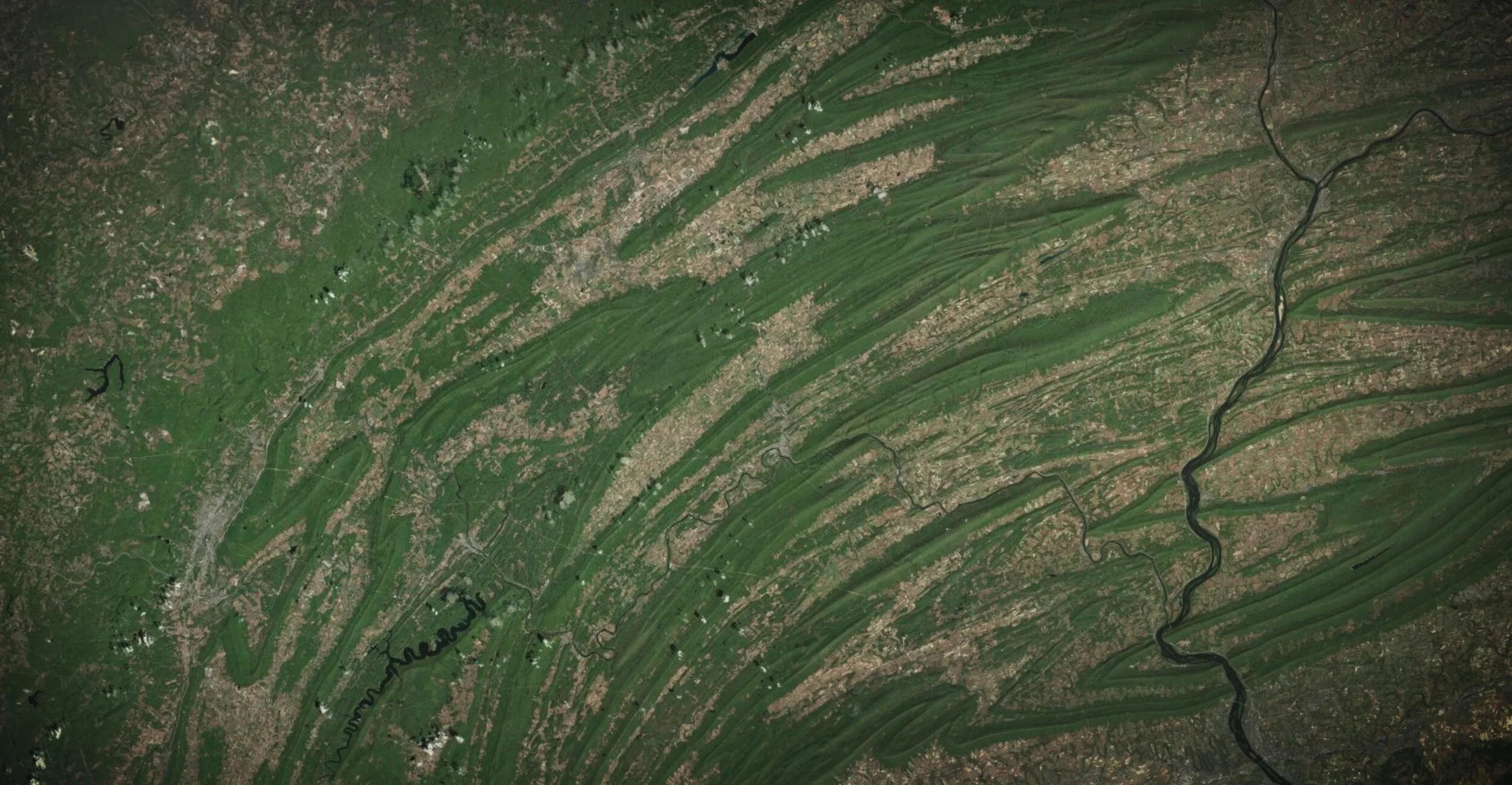
canaan_valley_wv.jpg

Notice what you notice. I first learned this concept from potter Chris Staley. The context was art, and how artists see the world. How we respond. What compels us.

The concept of noticing what you notice is perhaps a cousin of mindfulness. For me, the exercise of stopping to identify what draws my attention helps me to better understand my own perspective in the world, and what is important to me.

I notice when a stranger offers a kind, “Good morning!” I notice when furniture is thoughtfully placed. I notice when a casual acquaintance is happy to talk about himself but asks nothing about me. I notice how pretty the world looks in the convex driver’s side blind-spot mirror of my car. I notice handwriting. I notice eye-contact during conversations.

When you take the time to notice what you notice, everyday experiences can become moments of resonance and valuable introspection.

stephenart
There’s more than one right thing

You cannot do everything. And of what you can do, you can't do all of it right now. And so we prioritize.

Thing is, there's more than one right thing to do. The hard choice is not to eliminate alcohol and Netflix. When we're in a time crunch, those pleasures that divert us from our goals – they are easily identified. Perhaps still a challenge to sacrifice, but not a challenge to label. The difficulty is: how to choose from among all the right things we can do.

Here's a useful thought, paraphrased from Seth Godin: "This next thing you're going to do or say: Does it help you get closer to [what you need, what you want]?

Webmaster
Headed in the right direction

I think a lot when I drive. Thanks to GPS technology, on long stretches of unknown highway, I can simply glance at the screen and know that I'm on the right path.

Before I could take a supercomputer from my pocket and perch it on the dashboard, I'd have a written set of directions.

Did I pass my exit? Where's a mile-marker?

Wait. Did I get back on going Eastbound instead of Westbound?

I don't have these sweat-inducing, vexing experiences while driving these days.

But life is different.

Career paths, business plans, parenthood... there's no GPS technology for those things. However, there are still signposts.

Today, I had an experience that confirmed for me: you're on the right path with that particular project upon which you've been working.

A marker. A directional sign. They come along every now and then, and – especially when they tell you you're headed in the right direction – they can offer a much needed boost.

Webmaster
Neat edges

When I mow the lawn, without exception, I use a line trimmer along the edges of the concrete walkways.

I line-trim first, and then I mow the rest of the grass.

Then I use a blower to clear the sidewalks of clippings.

Neat edges and tidy walkways make the whole lawn look its best.

It's similar with documents, drawings, haircuts, and serving dishes. Clean margins, edges, and borders give the viewer a signal. This was intentional. This was done with care. These details matter, and so do the other details that you can't see from where you're standing. But you trust that the rest is just as good.

Webmaster
The difference in quotations
roofing.jpg

I'm vetting contractors to replace the roof on our house. There are three companies under consideration. Here are some stark differences:

Company A

The estimator arrived at the house with a ladder, and performed a careful inspection of the roof.

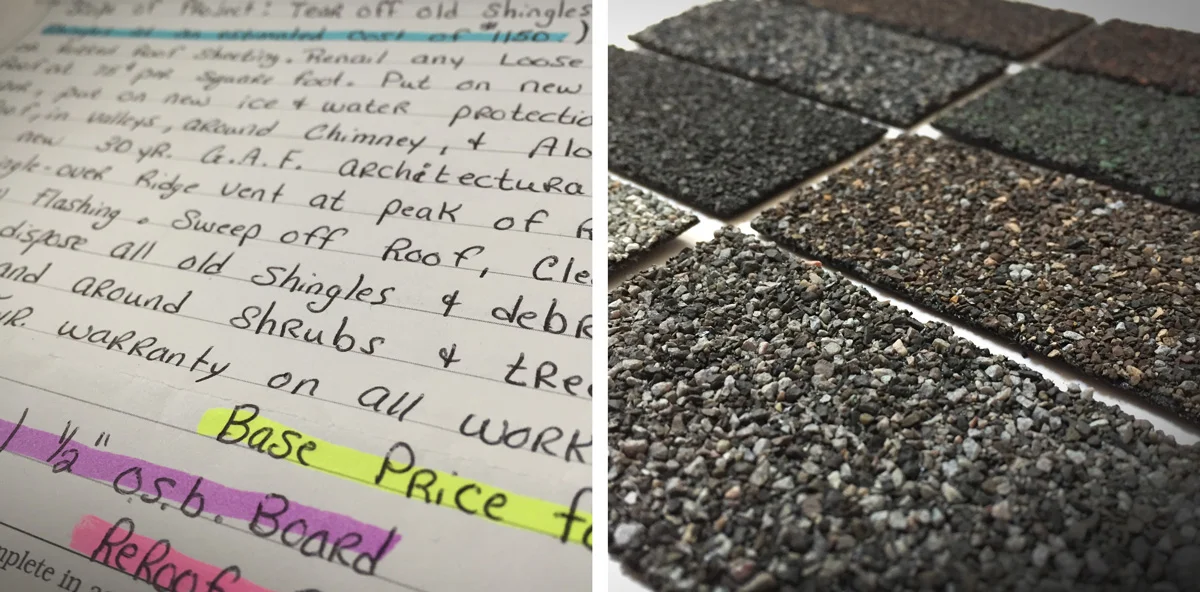
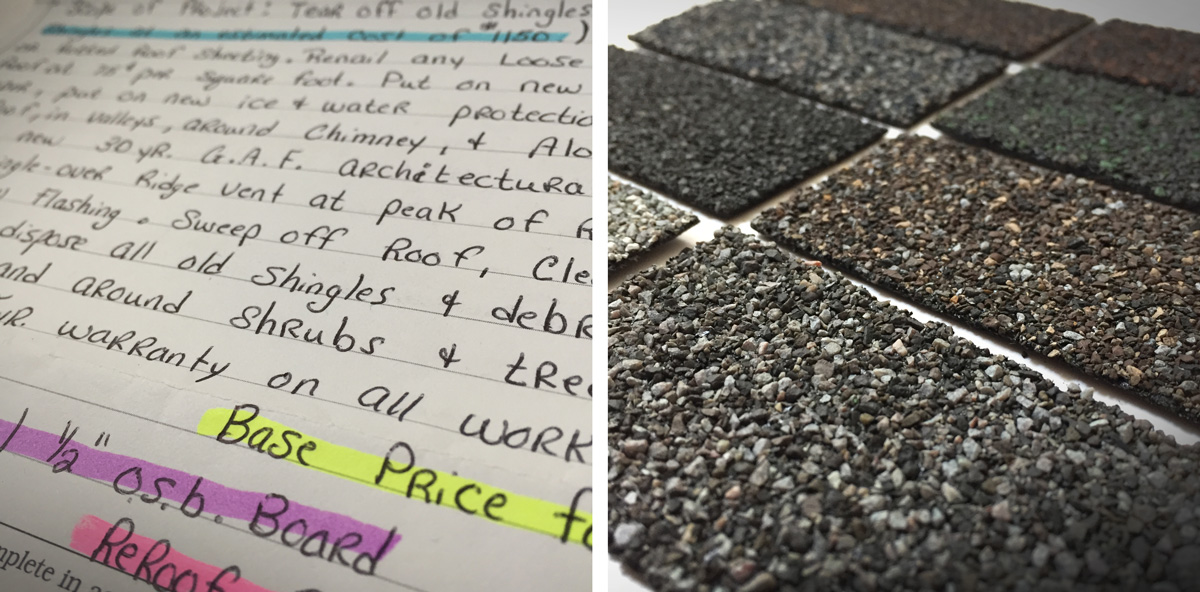
The quotation was slow to get to me. It arrived in an envelope, more than a week later than promised. It is on a company quote-sheet, but scope of the project is all handwritten... in extremely neat handwriting. Important parts are carefully highlighted. Four different colors of highlighter are used. Four.

The quote details all of the important steps, including the use of a magnet in the lawn after all the work is complete, to ensure that no loose nails remain in the grass.

This company's quotation packet was thick, because it included four photocopied pages of customer testimonials. Sixteen of them. All glowing.

Company B

The estimator was friendly. He did not have a ladder. He looked carefully at the roof from ground-level, and explained that they use satellite images to calculate square footage.

This quotation arrived within days, via email. It was typed. The price was comparable to company A, but did not include the same level of detail, or the "if we need new sheeting here..." sorts of line-items.

Company C

They are working on a roof down the street from my house. I wrote down their number. The day they arrived at that house, they ambled out of their truck, and looked at the materials on the trailer, seeming to scratch their heads. Each of them had a coffee in hand.

One week later, the roof was not complete.

A week after that, another company's truck was there.

I never asked for a quote.

* * *

While satellite images and digital documents have a certain level of polish, careful, thorough work – even done using traditional tools and techniques – holds a lot more weight than the flashy stuff.
stephen