Notice what you notice
canaan_valley_wv.jpg

Notice what you notice. I first learned this concept from potter Chris Staley. The context was art, and how artists see the world. How we respond. What compels us.

The concept of noticing what you notice is perhaps a cousin of mindfulness. For me, the exercise of stopping to identify what draws my attention helps me to better understand my own perspective in the world, and what is important to me.

I notice when a stranger offers a kind, “Good morning!” I notice when furniture is thoughtfully placed. I notice when a casual acquaintance is happy to talk about himself but asks nothing about me. I notice how pretty the world looks in the convex driver’s side blind-spot mirror of my car. I notice handwriting. I notice eye-contact during conversations.

When you take the time to notice what you notice, everyday experiences can become moments of resonance and valuable introspection.

stephenart
There’s more than one right thing

You cannot do everything. And of what you can do, you can't do all of it right now. And so we prioritize.

Thing is, there's more than one right thing to do. The hard choice is not to eliminate alcohol and Netflix. When we're in a time crunch, those pleasures that divert us from our goals – they are easily identified. Perhaps still a challenge to sacrifice, but not a challenge to label. The difficulty is: how to choose from among all the right things we can do.

Here's a useful thought, paraphrased from Seth Godin: "This next thing you're going to do or say: Does it help you get closer to [what you need, what you want]?

Webmaster
Headed in the right direction

I think a lot when I drive. Thanks to GPS technology, on long stretches of unknown highway, I can simply glance at the screen and know that I'm on the right path.

Before I could take a supercomputer from my pocket and perch it on the dashboard, I'd have a written set of directions.

Did I pass my exit? Where's a mile-marker?

Wait. Did I get back on going Eastbound instead of Westbound?

I don't have these sweat-inducing, vexing experiences while driving these days.

But life is different.

Career paths, business plans, parenthood... there's no GPS technology for those things. However, there are still signposts.

Today, I had an experience that confirmed for me: you're on the right path with that particular project upon which you've been working.

A marker. A directional sign. They come along every now and then, and – especially when they tell you you're headed in the right direction – they can offer a much needed boost.

Webmaster
Neat edges

When I mow the lawn, without exception, I use a line trimmer along the edges of the concrete walkways.

I line-trim first, and then I mow the rest of the grass.

Then I use a blower to clear the sidewalks of clippings.

Neat edges and tidy walkways make the whole lawn look its best.

It's similar with documents, drawings, haircuts, and serving dishes. Clean margins, edges, and borders give the viewer a signal. This was intentional. This was done with care. These details matter, and so do the other details that you can't see from where you're standing. But you trust that the rest is just as good.

Webmaster
The difference in quotations
roofing.jpg

I'm vetting contractors to replace the roof on our house. There are three companies under consideration. Here are some stark differences:

Company A

The estimator arrived at the house with a ladder, and performed a careful inspection of the roof.

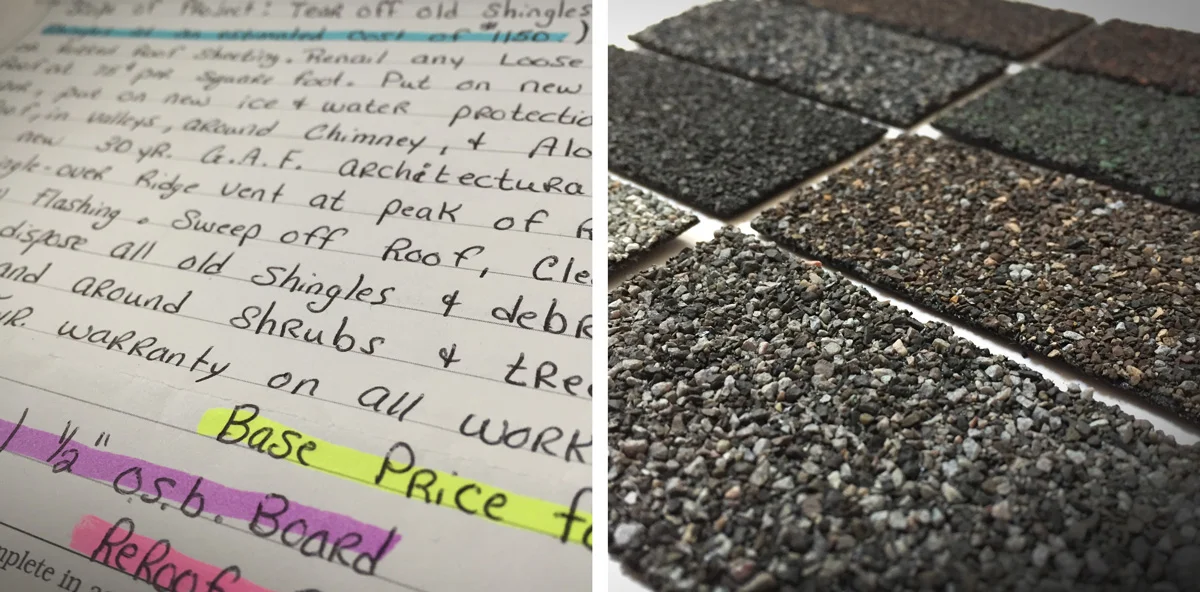
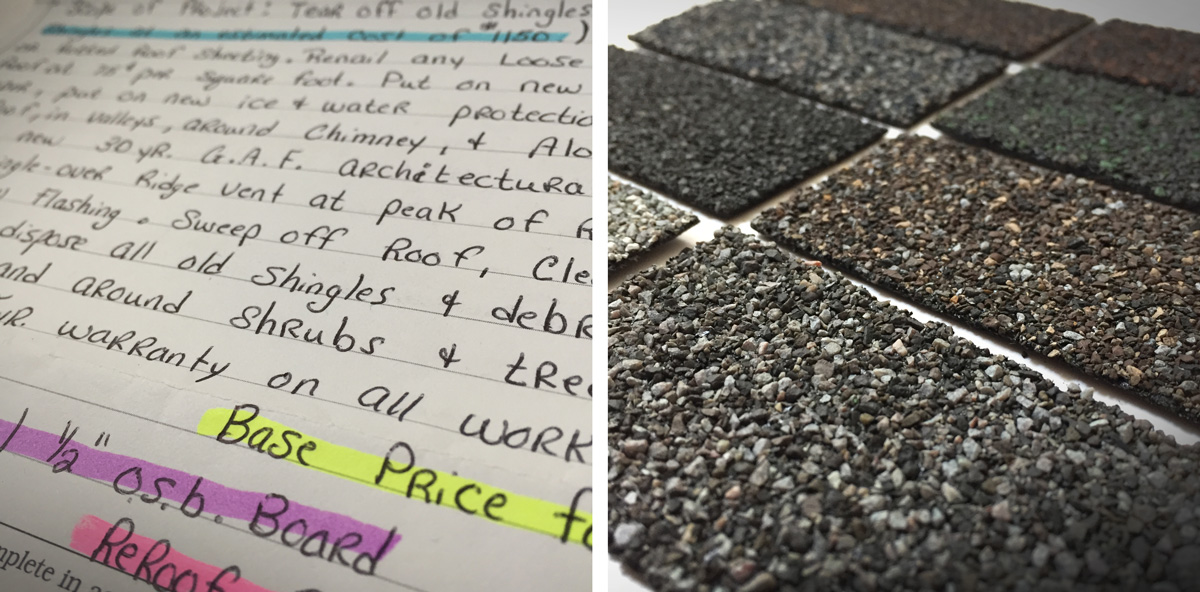
The quotation was slow to get to me. It arrived in an envelope, more than a week later than promised. It is on a company quote-sheet, but scope of the project is all handwritten... in extremely neat handwriting. Important parts are carefully highlighted. Four different colors of highlighter are used. Four.

The quote details all of the important steps, including the use of a magnet in the lawn after all the work is complete, to ensure that no loose nails remain in the grass.

This company's quotation packet was thick, because it included four photocopied pages of customer testimonials. Sixteen of them. All glowing.

Company B

The estimator was friendly. He did not have a ladder. He looked carefully at the roof from ground-level, and explained that they use satellite images to calculate square footage.

This quotation arrived within days, via email. It was typed. The price was comparable to company A, but did not include the same level of detail, or the "if we need new sheeting here..." sorts of line-items.

Company C

They are working on a roof down the street from my house. I wrote down their number. The day they arrived at that house, they ambled out of their truck, and looked at the materials on the trailer, seeming to scratch their heads. Each of them had a coffee in hand.

One week later, the roof was not complete.

A week after that, another company's truck was there.

I never asked for a quote.

* * *

While satellite images and digital documents have a certain level of polish, careful, thorough work – even done using traditional tools and techniques – holds a lot more weight than the flashy stuff.

stephen
Know your strengths
router.jpg

And your weaknesses. Then, play to your strengths. (Keep working on your improving the areas where you're weak, but do that during practice -- not during game-time.)

I own two hand planes. They are not fine tuned, and I am not particularly expert at using them. However, I do know when to use them; I know when they will come in handy.

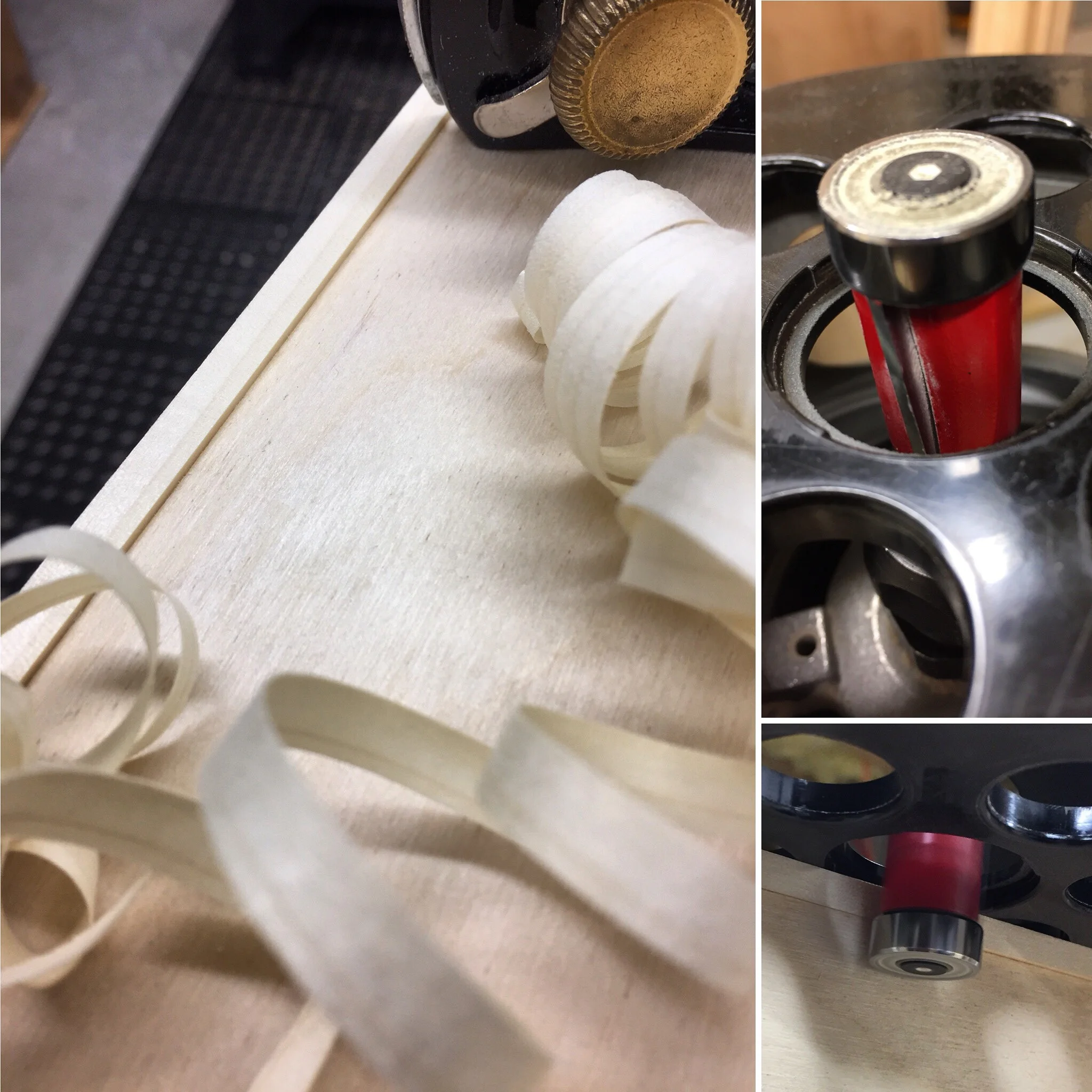
I've been edge banding plywood for a cabinet. Instead of milling the edge banding exactly, I've left it wide, with the intention of using a flush-trim route bit to get everything just right.

I could have used the router to hog off all of the excess, but that creates more dust than necessary. Enter the low-angle block plane.

I'm too novice a hand-planer to rely solely on that tool to true up the edges. But it was no trouble at all to bring the material down to 1/16". The router handled the rest. Sawdust was cut by about eighty percent, I saved some wear on my router bit, and I felt good using a hand tool.

No tear out, and lots of wins.

stephenwoodworking
Clean glue lines
baltic_birch_detail.jpg

When the factory glue-ups on Baltic birch are met with super-tight edge banding joints, I feel like I’ve done my job well.

stephen
Hooked on hygge
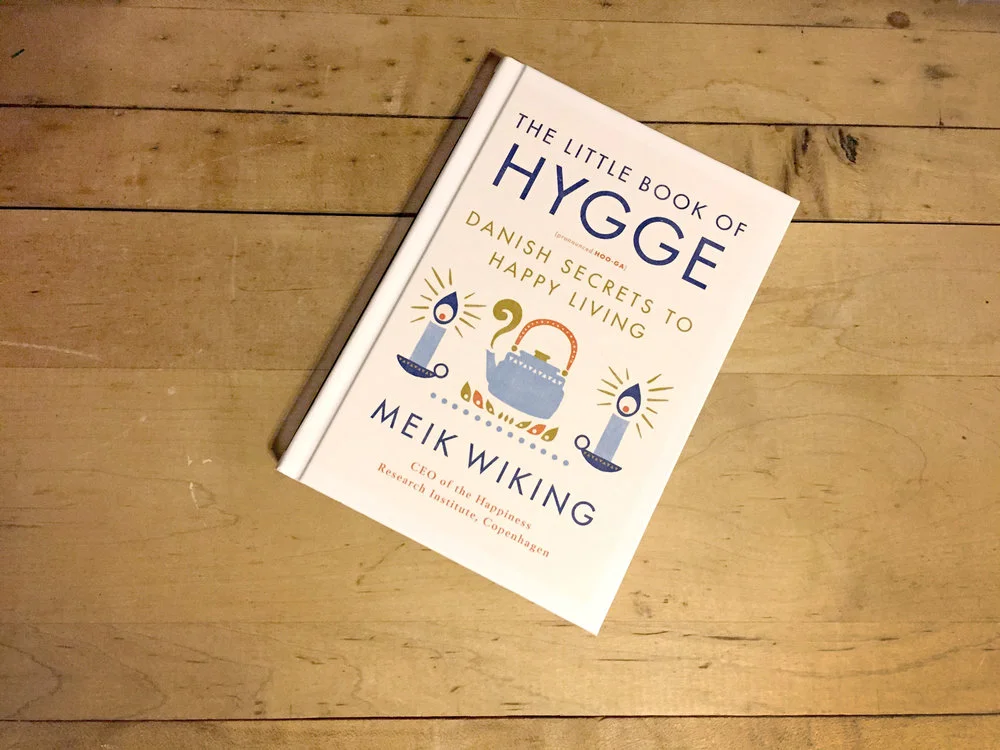
hygge_book.jpg

Hygge

Many writers instruct English-speakers to pronounce this word as "hoo-ga" but when I hear it said by Denmark natives, my ears hear the "oo" that is more common in French or Hungarian. That is, the mouth and tongue form to say "ee" while the lips form to say "oo". Either way, it is certainly not an instance where the word is spelled like it sounds.

Hygge tends to resist a hard-fast definition, so I'll list some things that I've read regarding the term. Coziness. Absence of stress. Company of friends. Happy childhood memories. Well-being. Simple pleasures. Comfort. Conviviality. Warmth.

Some physical items often related to hygge: unscented candles, sweaters, woolen socks, scarves, mulled wine, well-designed lamps.

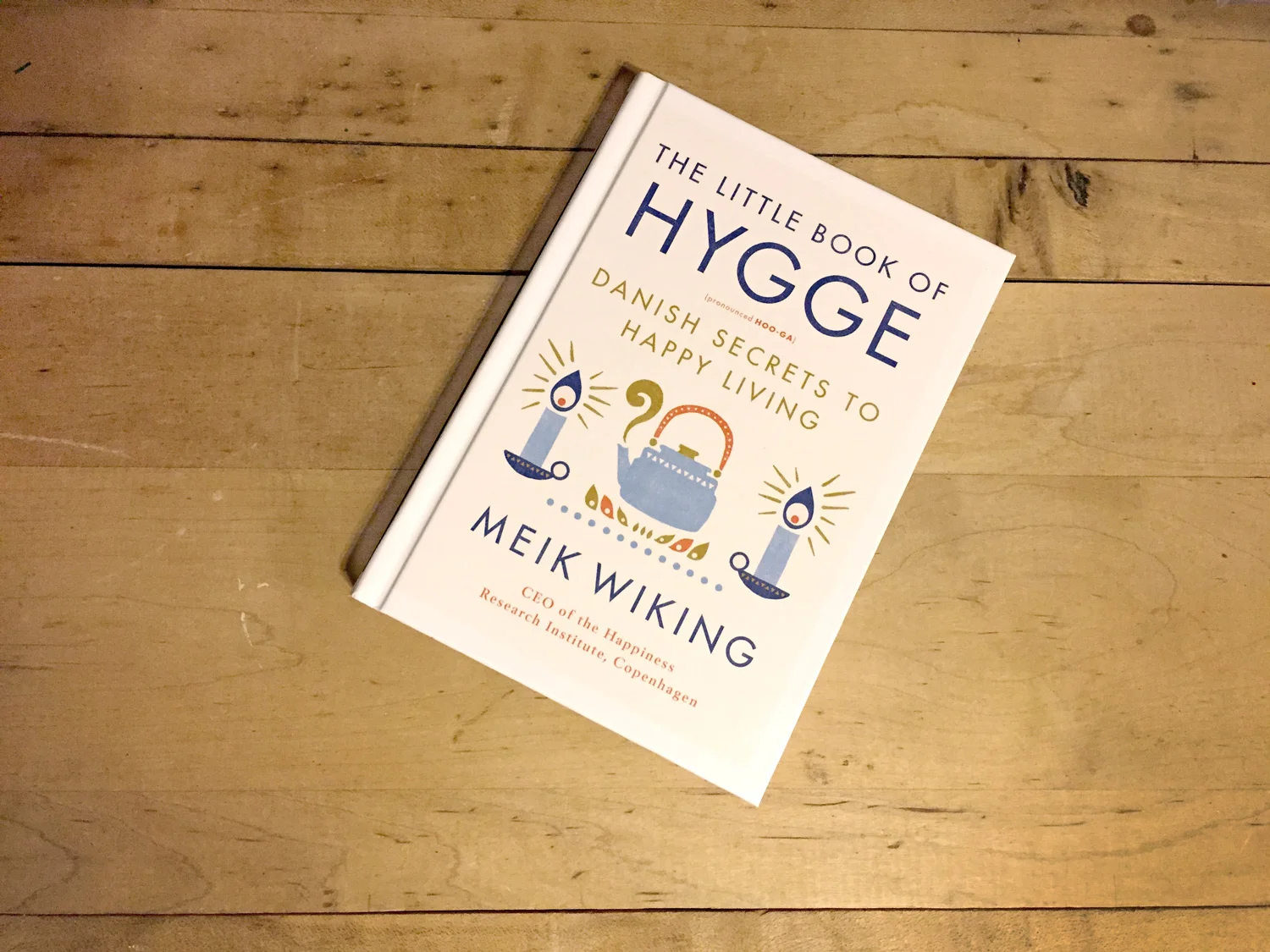
I recently received the The Little Book of Hygge -  Danish Secrets to Happy Living, and I could not put it down. In the book, Meik Wiking offers a totally Dane-centric view of happiness, but this is not surprising. The Danish are consistently ranked as being the happiest people in the world.

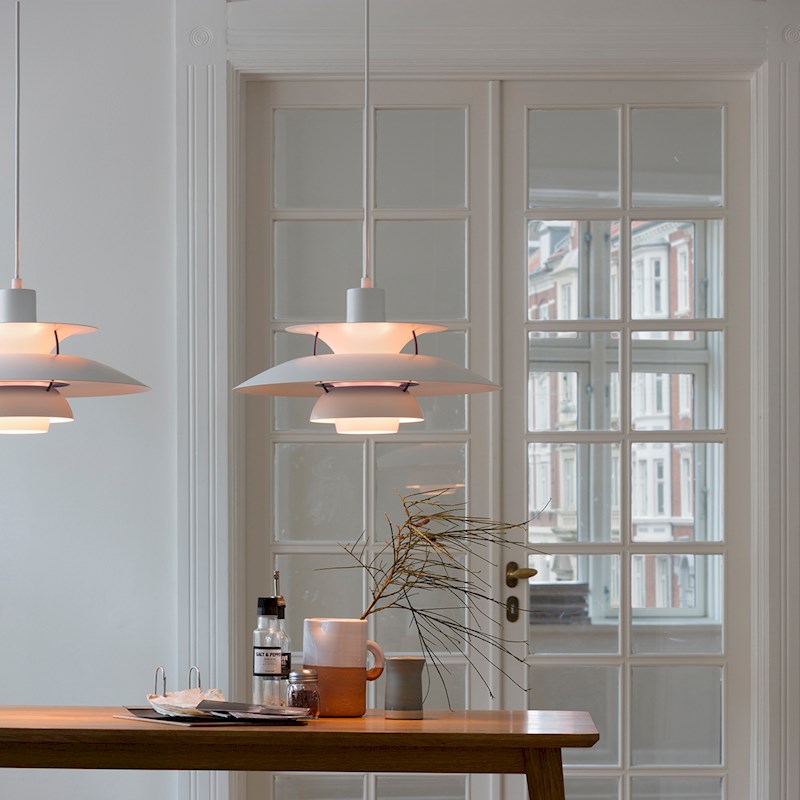
All through 2016, books and blogs published hygge-related material. In a turbulent year, maybe it was just the right time to spread the hygge gospel around the globe. For me, I'm embracing the concept and finding a lot of enjoyment in the mindset it encourages. Now about that Poul Henningsen PH 5 pendant lamp... Do I need one or two?

* * *

 
Classic PH 5 Pendant Lamps as shown on www.louispoulsen.com

Classic PH 5 Pendant Lamps as shown on www.louispoulsen.com

 
stephen
Setting the dial perfectly
toaster_timer

Perfectly Toasted

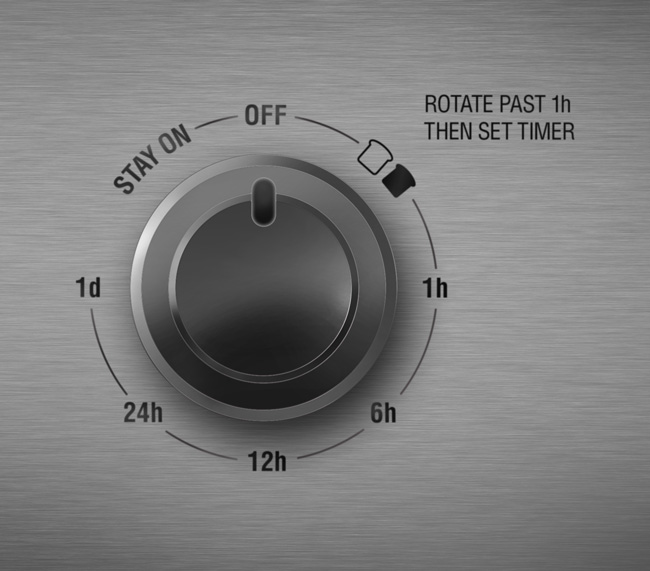
A just-right piece of toast seems to be something that I can only achieve by eliminating all distractions, putting aside multitasking, and staring unceasingly at the contents of the toaster oven. It's typically an English muffin upon which I'm focused. Too little time and it results in warm, soft, somewhat yeasty bread. Too much time, and it's a hot, charred waste.

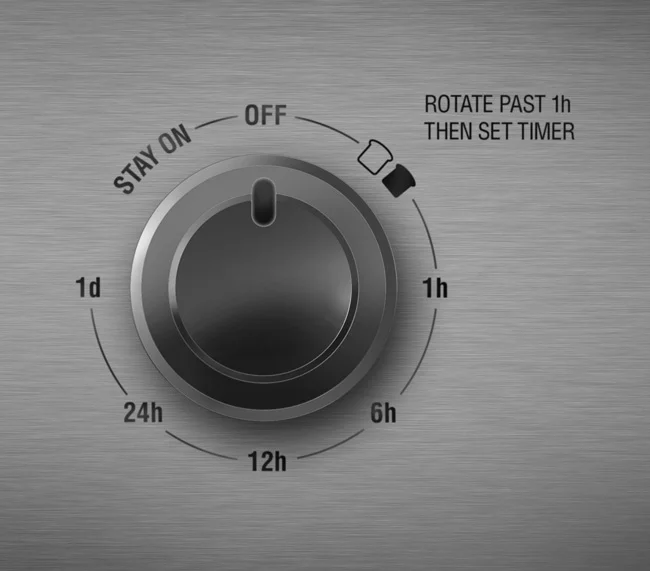
Here's the thing: the time between under-done and over-done is about seven seconds. Really. Seven seconds. And the imprecise control knob on my toaster oven mocks me as I try in vain to find the one to two rotational degrees that will put me within the window of excellence.

There are some new appliances that have separate toasting dials or even digital timers that offer a greater degree of control. But for me, I think I'll use my toasting experience as a small opportunity to practice attentiveness and patience. Finding a moment like that amidst a chaotic day is probably a good thing. Happy toasting!

stephen
Compartmentalizing

Festool Systainers

The ArtBin pencil box that I used in high school might have helped me to fall in love with having purposefully designed storage containers. There's something wonderful about having a particular place for everything. I'm looking at my bookshelf, and I see Jim Tolpin's The Toolbox Book, which offers great examples of beautifully designed tool chests and cabinets -- each one having particular places for particular tools. Most of these cabinets are made of wood, and they're all superbly crafted.

 
festool_toolbox.jpg
 

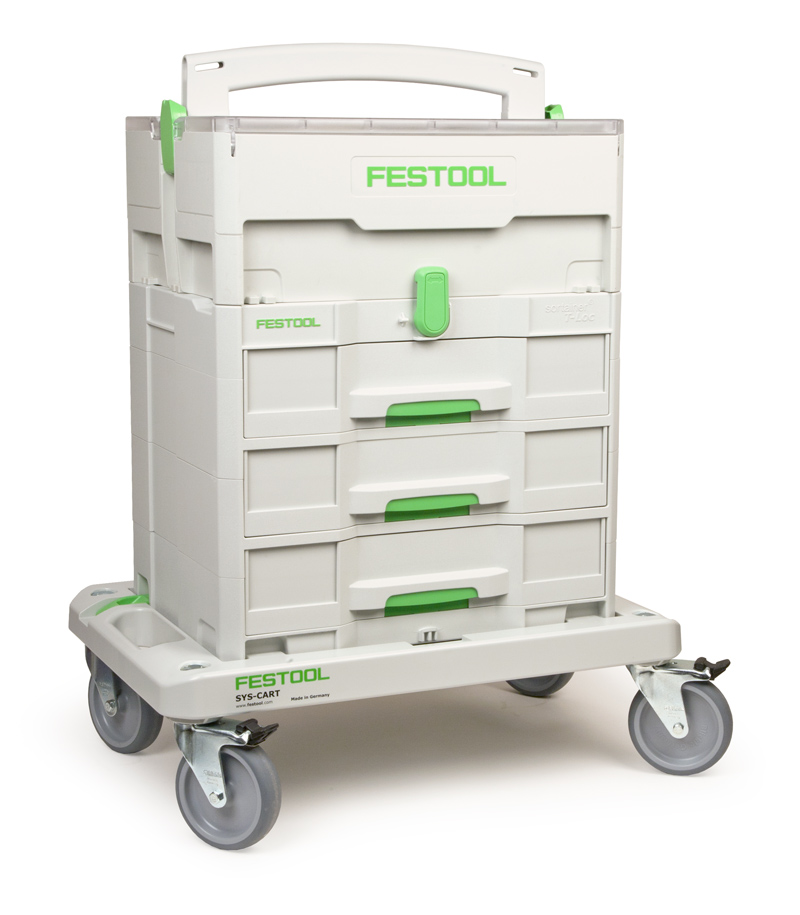
Recently, I've come to appreciate the value of not just a well-designed toolbox, but a well-designed tool storage systemThe German company TANOS GmbH has a patented case system based on units called systainers. Systainers often include tailored interiors specifically fitted for particular tools or supplies. The units stack together for easy transport and storage.

Festool uses systainer systems to encase most of their handheld tools. They also offer a few toolbox and general storage designs which can be configured with dividers and modular, removable interior containers. The image here is of the combination I often have coupled. It has a toolbox top which is connected to a bank of removable drawers. The cart, which has exceptionally smooth-running locking casters, helps for moving the unit around the shop or wherever I need it to travel. Since the system is modular, it can grow and adapt as my needs change. There are lots of options available on Festool's website. These systems are an investment for sure, but return is in excellent organization and efficiency. Absolutely worth it.

stephenwoodworking